Choosing bathroom tiles is about balancing aesthetics with performance. A well chosen tile not only sets the look of the room but also withstands humidity, splashes and foot traffic. This guide explains core tile options and practical installation and care tips to help homeowners decide with confidence.
Tile Materials and Performance
Ceramic tiles are a common choice for bathrooms. They are typically ceramic glazed on the surface and offer a wide range of colors and patterns. They are affordable and easy to cut, making them ideal for complex layouts. Porcelain tiles are a type of ceramic with higher density and lower water absorption, which makes them more durable for showers and wet rooms.
Ceramic Tiles
Pros include affordability, vast design options and ease of maintenance. Cons include higher porosity than porcelain and a tendency to chip if struck hard. Ideal for walls and light traffic floors.
Porcelain Tiles
Porcelain is denser with water absorption typically below 0.5 percent. This makes it very durable in wet zones. It can be used for both floors and walls, including shower surrounds. Consider rectified edges for a seamless look and minimal grout lines.
Natural Stone Tiles
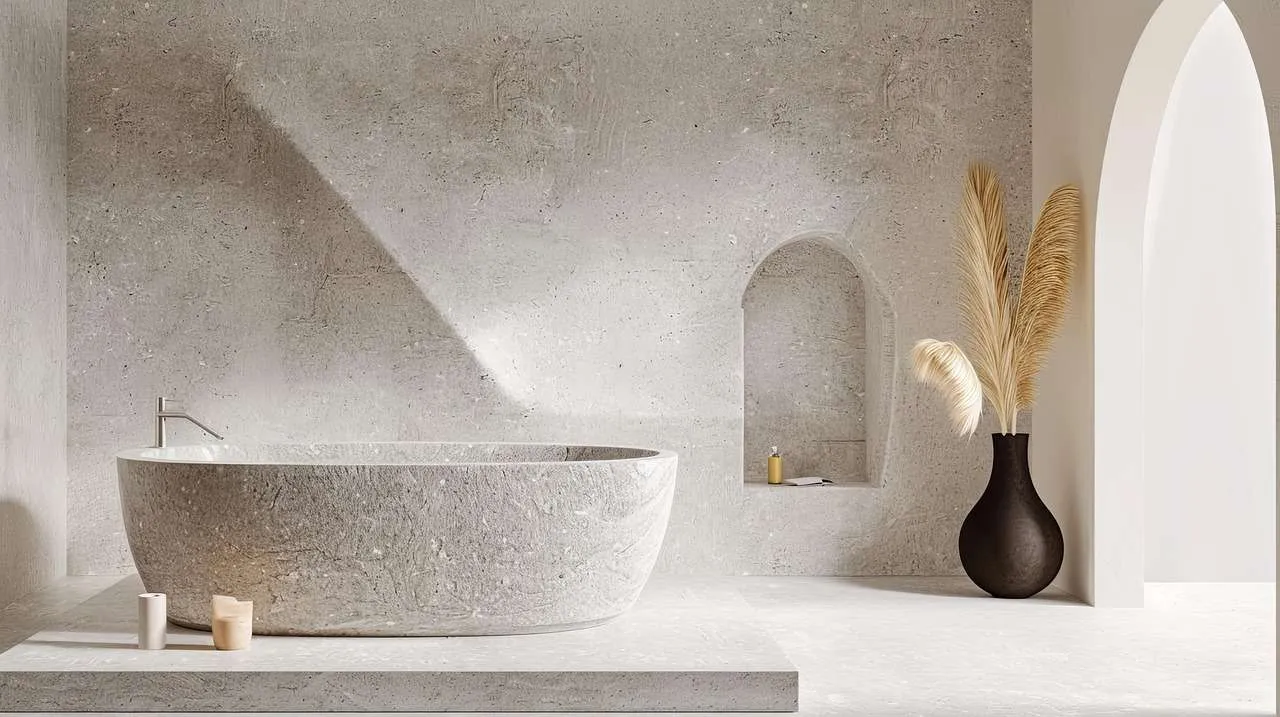
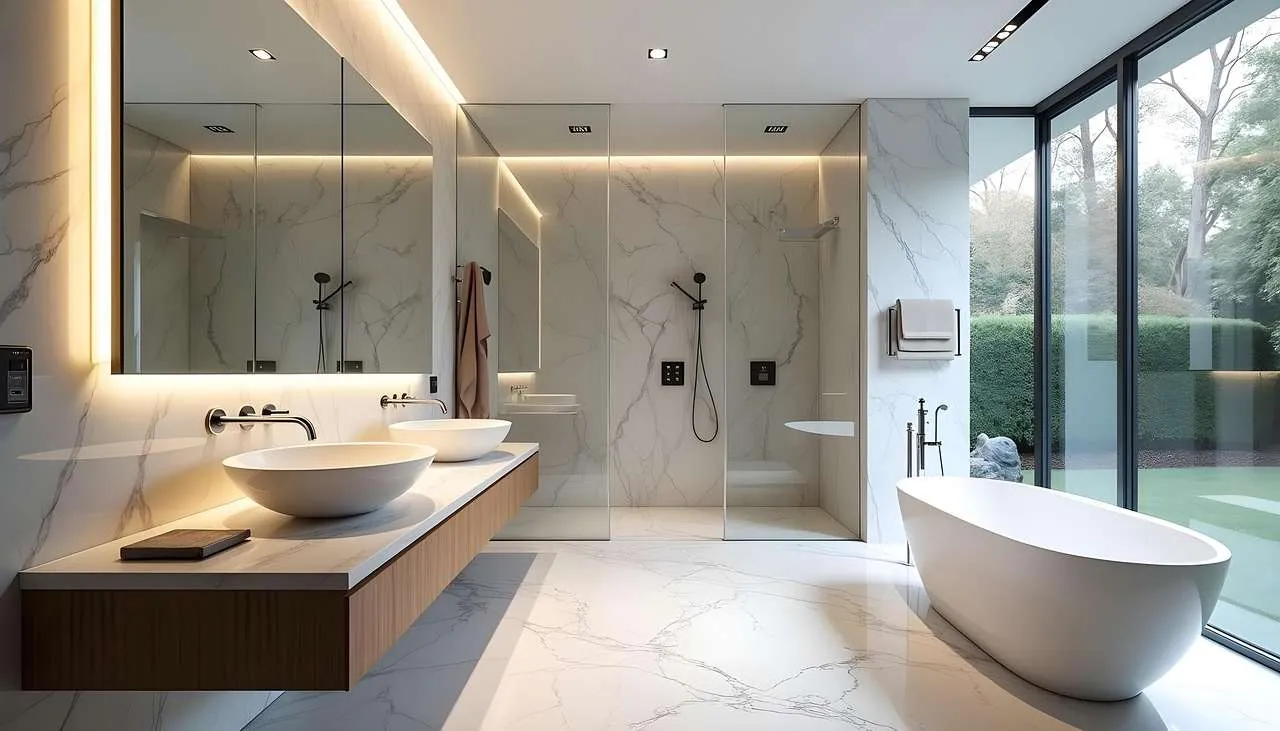
Natural stone such as marble or limestone offers luxury and unique veining. However stone requires sealant and ongoing maintenance to protect against staining. Use stone on walls or dry areas, or pair with a penetrating sealant and a high performance epoxy grout to limit moisture problems.
Glass and Cement Tiles
Glass adds light reflection and color accents, yet it can be slippery when wet and can be prone to etching. Cement tiles provide bold patterns and durability but need sealing and humidity care to avoid staining.
Sizes Patterns and Design Ideas
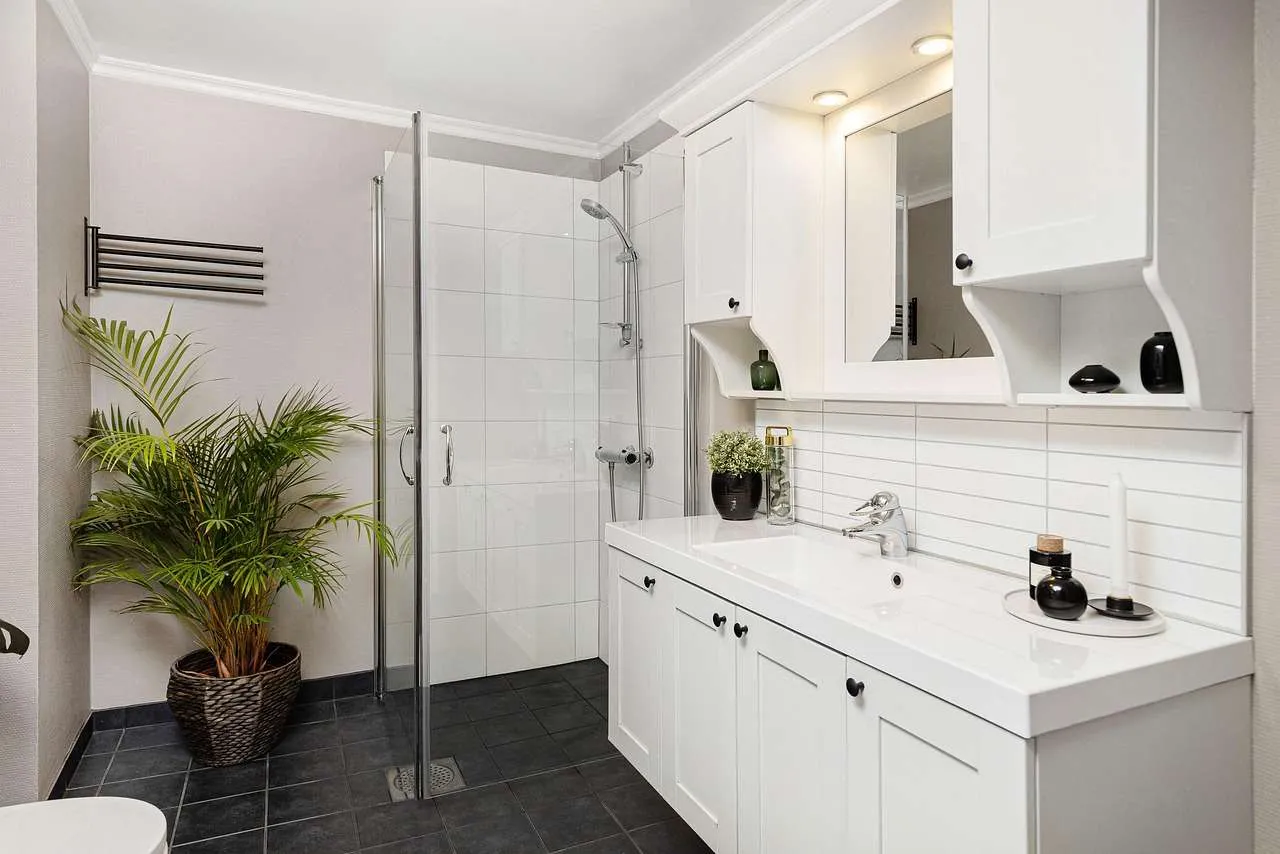
Tile size determines how gravity and lines read in a space. Large format tiles reduce grout lines and can make a small bath feel bigger. Subway and stacked patterns create timeless looks, while mosaics add texture on shower niches and borders. Mixing sizes can define zones such as a shower feature wall with small accents and larger floor tiles.
Installation and Maintenance Essentials
Proper substrate preparation is essential. Use cement backer boards and a waterproof membrane behind all wet areas. Grout should be chosen for moisture resistance and sealed when appropriate. Regular mopping with a pH balanced cleaner keeps grout and tile colors vibrant. Avoid harsh acidic cleaners that can erode grout and stone sealants.
Safety Accessibility and Sustainability
Anti slip textures are important in shower floors. Look for tiles with a visible rating or choose textured surfaces. For sustainability, prefer porcelain or ceramic tiles with low emissions and recycled content and consider long lasting large format tiles to reduce grout waste. Choosing durable finishes reduces replacements and waste over time.
Cost and Budgeting
Costs vary by material, size, and installation complexity. Ceramic tiles are usually the most budget friendly, porcelain mid range, and natural stone upper end. Professional installation adds value through proper waterproofing and precise cutting in tight corners. A thoughtful plan includes under tile waterproofing, grout selection, and potential sealing costs.
Comparison Overview
| Tile Type | Key Strengths | Typical Drawbacks | Best Uses |
|---|---|---|---|
| Ceramic | Affordability, wide design range | Higher porosity, less durable | Walls and light traffic floors |
| Porcelain | Low water absorption, durable | More expensive, harder to cut | Wet areas, floors |
| Natural Stone | Luxury appearance, unique veining | Requires sealing, ongoing maintenance | Feature walls, countertops |
Maintenance tips include sealing porous stones, cleaning grout lines with proper cleaners, and reapplying sealant on stone every 1 to 3 years depending on use. Regularly dry the bathroom after showers to prevent moisture buildup and reuse color coordinated grout to maintain a cohesive look.
Conclusion, a well planned tile selection balances performance and style. By understanding materials, formats, and maintenance needs you can achieve a durable, beautiful bathroom that lasts and ages well.